Wide-Ranging Services That Meet Every Need
Affinity Dermatology serves patients of all ages, providing medical dermatology services for children, teens, adults, and seniors. Affinity Dermatology specializes in unique, patient-first approaches that meet your individual needs and most effectively solve the problem or discomfort you find yourself facing. Because skin conditions can be complex in their causes, it’s important to rely on an expert like Affinity Dermatology’s Dr. Carter to generate the perfect plan to fit your needs.
Our Treatments Include...
Affinity Dermatology has experience treating a wide variety of skin concerns, conditions, disorders and diseases. A wide variety of circumstances may affect your treatment plan, including your skin type or skin tone, and Dr. Carter works to take your specific case into account when formulating how to help provide you with the best treatment plan. The causes of skin conditions can be simple or complex, and while some problems are as easy to fix as finding the correct treatment cream or skin care product, keep in mind that some of the problems we treat require long-term lifestyle changes to combat effectively.
The most common conditions Dr. Carter treats are:
Acne
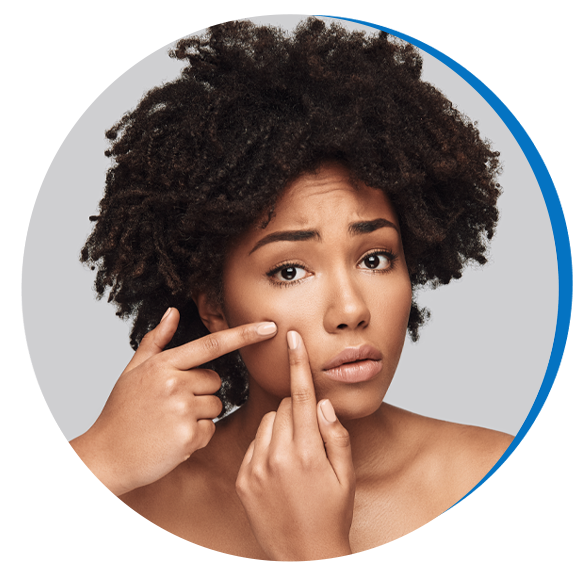
Acne (also called acne vulgaris) is a problem most common in teenagers or young adults, and is caused by a buildup of oil and dead skin clogging up hair follicles. Although “acne” generally brings to mind bumps and blackheads on the face — especially the cheeks and around the mouth — acne can occur anywhere there are hair follicles or glands to plug.
For most people, acne isn’t too severe and may go away on its own if the person suffering from acne implements a more involved skincare routine. For others, however, treatment may be required. Treating acne largely depends on its severity. For many, topical creams will clear acne up, although in more severe cases antibiotics or other forms of medicines may be required.
Acne can be a very complex issue, and treatment may take many forms depending on the cause of your acne.
Alopecia Areata
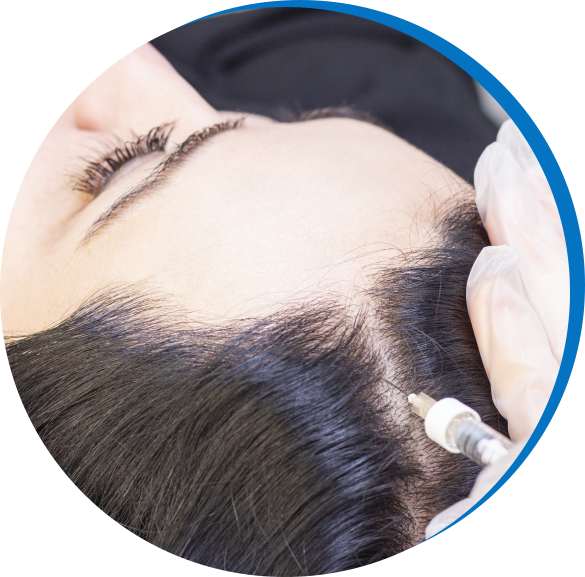
Alopecia areata, or just alopecia for short, happens when the immune system attacks your hair follicles, resulting in hair that falls out as the follicles are damaged. Alopecia can result in thinning hair, total baldness, and everything in between. The cause is unknown, although it’s theorized that stress may play a part in some cases.
While we don’t fully understand the underlying causes behind alopecia, there are a number of medications that may be able to help!
Dandruff
Dandruff occurs when skin flakes off of your scalp, and it is more embarrassing than an indication that something is going wrong. It can be caused by a number of different things, from fungus to a condition called seborrheic dermatitis. Treatment depends largely on the cause of your dandruff, but may be as simple as a change in shampoo!

Eczema
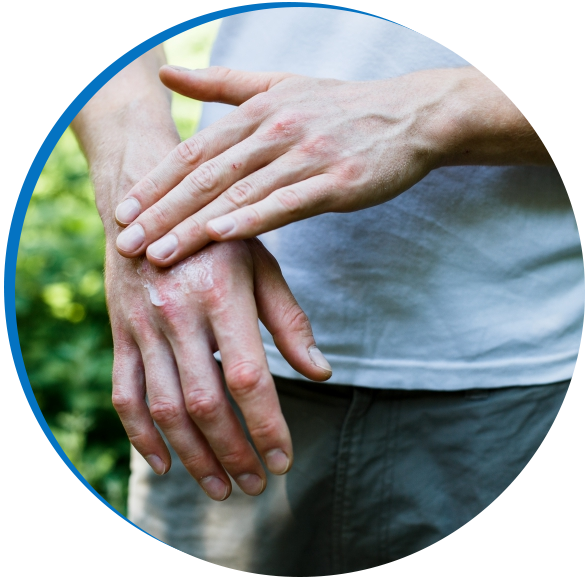
Eczema, also called atopic dermatitis, is a red, scaly rash that can occur when your skin is irritated. The best way to treat eczema is to find out what triggers the rash, and avoid it or find a treatment plan that can help it go away quickly. Eczema rashes may take a while to go away on their own, so seeing a dermatologist to help get a treatment plan in place can be a lifesaver!
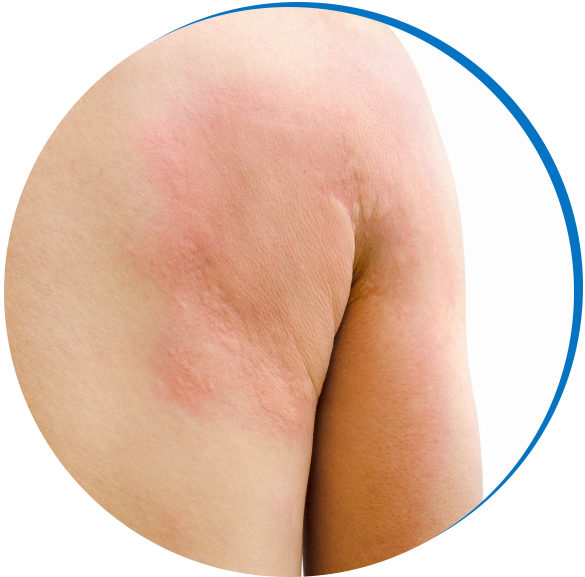
Hives
Hives are bumps or rashes rapidly developed in response to an allergic reaction. The best way to treat hives is to stay away from what you’re allergic to, although antihistamines can help as well.

Nail Disorders
While nail and skin disorders are often separate, your nails are derived from the keratin that makes up your skin, and a dermatologist is qualified to help you with finding the cause and treatment of problems involving your nails. These can be the result of fungi, infections, or even just trauma, and treatment depends largely upon the problem you are facing.
Psoriasis
Psoriasis is caused by skin cells that grow and develop much more rapidly than normal, causing rashes and raised scaly patches of skin. While the causes of psoriasis are not well known, it is thought to be an autoimmune issue that cannot be fully cured, but can be treated with a variety of medications, topical ointments, and more.
Dr. Carter has an exceptional amount of experience with helping patients overcome their psoriasis, and she is the perfect resource for learning how to take back your life!
Rashes
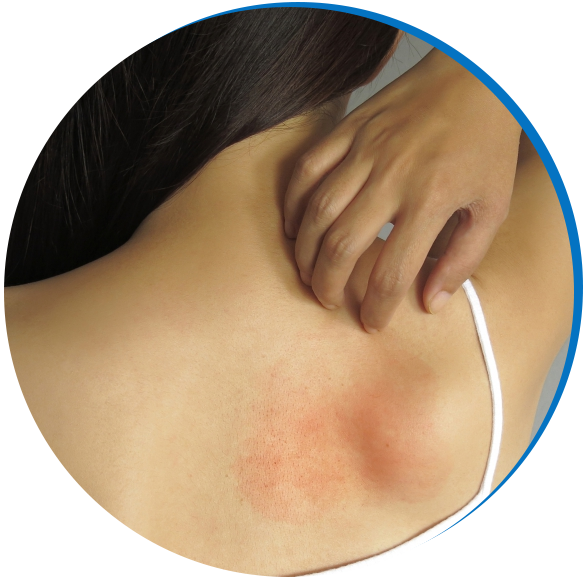
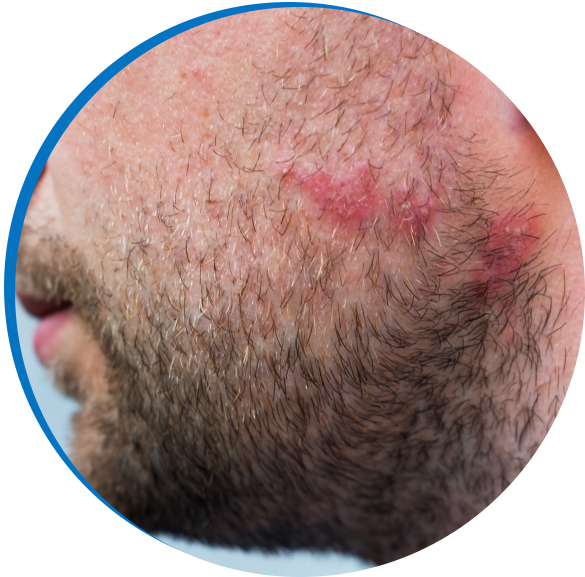
While rashes can occur as a result of eczema or psoriasis, there are dozens of other potential causes, so treatments vary based on the root cause of the rash. While many rashes are not serious, if your rash is quickly growing and spreading or is changing shapes and colors or otherwise accompanied by worrisome symptoms, visiting a board certified dermatologist for answers should be your number one priority.
Skin Cancer
Melanoma, basal cell, and squamous cell skin cancer are the most common types of skin cancer. Basal cell and squamous cell carcinomas are common skin cancers and are easily treatable if caught quickly. Only in extreme cases do these cancers spread or are life-threatening. Of these skin cancers, malignant melanoma is the most dangerous if not caught and treated early.
The easiest way to detect possible signs of early melanoma is by noticing that a mole is growing in shape and size. Moles are common and not worth worrying about, however if you notice that a mole is appearing larger than you remember it, is discolored, or is uneven around the edges, you may want to have it checked by a professional.
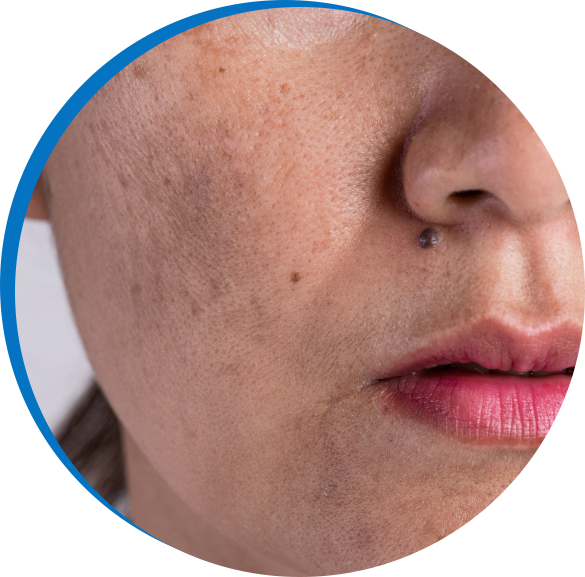
Skin Discoloration
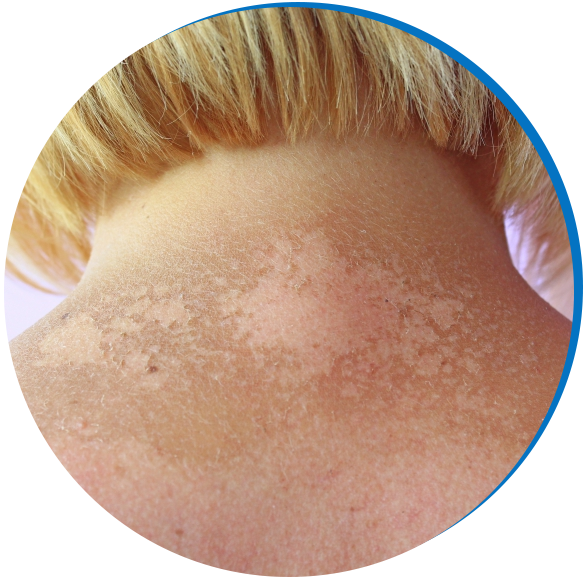
Skin discoloration occurs for many different reasons, and can be the result of causes as simple as hormone fluctuation (as in pregnancy), trauma to the skin, illness, or possible inflammatory issues. Melanin overproduction can result in skin discoloration as well, since melanin is responsible for providing skin its tone and for protecting it against the sun. Potential treatments vary depending on the initial cause of the discoloration.
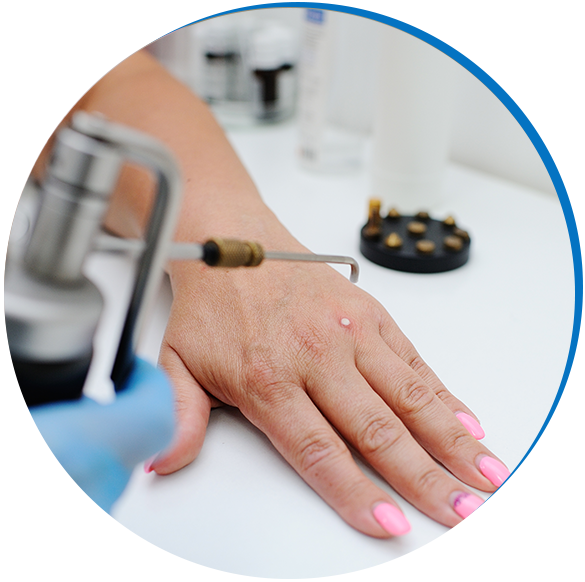
Warts
Warts, or verruca vulgaris, are caused by the body reacting to one of the many human papillomavirus (HPV) viruses. Warts are typically small and aren’t generally dangerous or painful. If warts are causing you to experience pain or you feel they are unsightly, Dr. Carter can help. While warts will generally go away on their own, treatments can speed up the process.