

Hyperpigmentation

Uneven Skin Tone

Clear Results

Epidermal
Characterized by a darker brown color with a defined border. This type is obvious under blacklight.
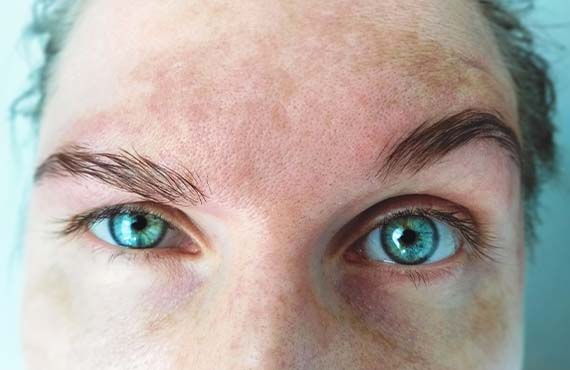
Dermal
Characterized by a light brown or slightly bluish color, and an undefined border.
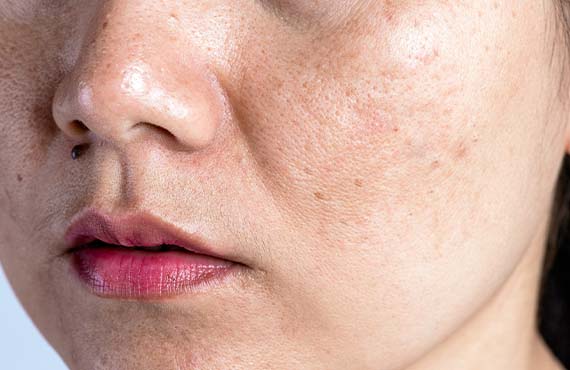
Mixed Melasma
This is the most common type of melasma, presenting as both brown or bluish in color, and presents as a mixed pattern under blacklight.
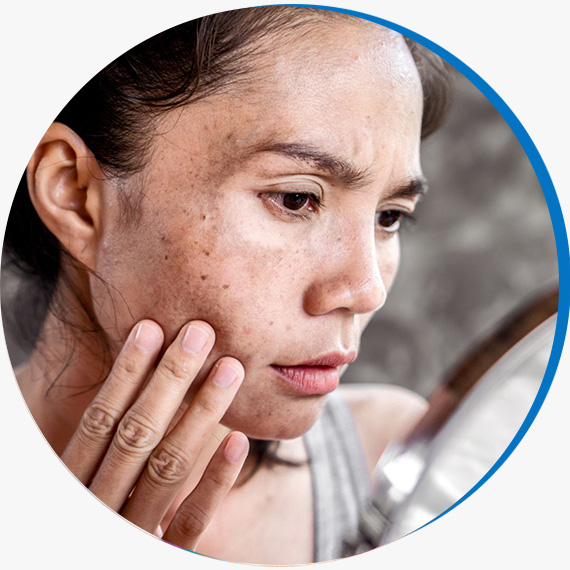
What is Hyperpigmentation?
Hyperpigmentation is a common skin condition characterized by the excessive production of melanin, the pigment responsible for the color of our skin. It results in dark patches or spots on the skin that are darker than the surrounding areas. Hyperpigmentation can be caused by various factors, including sun exposure, hormonal changes, inflammation, skin injuries, and certain medical conditions. While it's not usually a medical concern, hyperpigmentation can be a cosmetic concern for many individuals, as it can affect their self-esteem and confidence.
What is Melasma?
Melasma is a very common skin condition that is characterized by the presence of brown or bluish-gray patches or freckles on the face, cheeks, upper lip, forehead, and sometimes forearms. Colloquially, it is sometimes referred to as the “mask of pregnancy” due to its prevalence in pregnant women. The cells in your skin that are responsible for your skin color can sometimes be overproduced due to varying hormone levels, resulting in this discoloration. Melasma is very common, is not harmful, and often responds very well to treatments.
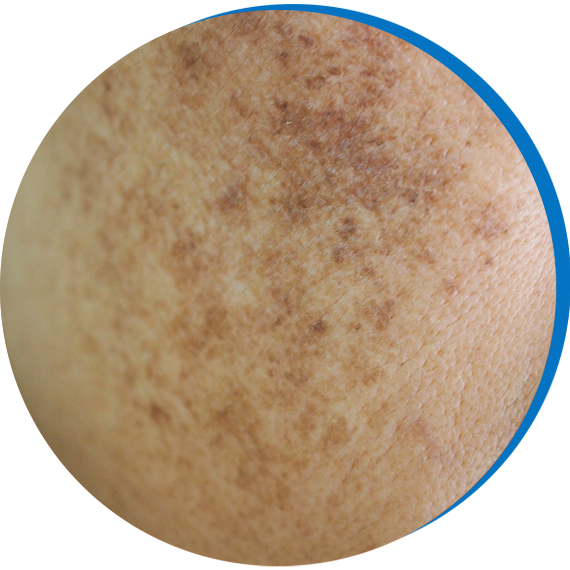
How Do We Diagnose Melasma?
When you schedule an appointment with Affinity Dermatology for your suspected melasma, our dermatologists will be able to determine the type and severity of your case, as well as treatment options. We’ll take a look at how deep melasma may have penetrated into your skin structures using special equipment. This initial diagnosis is important to rule out any other skin conditions that can mimic melasma.