
Who is affected by skin cancer?
Skin cancer is the most common form of cancer seen in the United States, with the total number affected equaling more than breast cancer, colon cancer, lung cancer, and prostate cancer combined. Thankfully, when skin cancers are diagnosed early, they can be effectively treated and cured. Our professional team at Affinity Dermatology is here to help you protect your skin and identify any problem moles early.
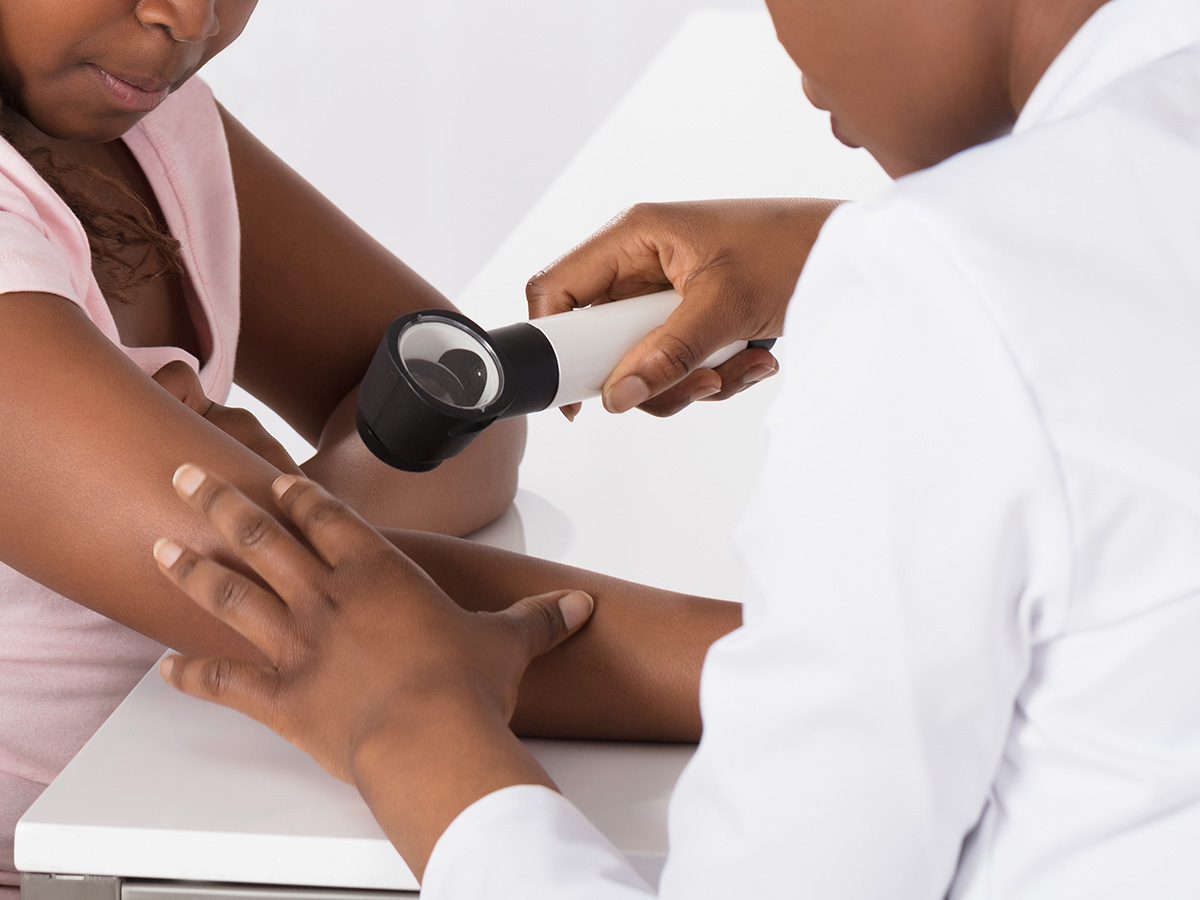

Types of Skin Cancer
The three types of cancer that occur most frequently in the skin are basal cell carcinoma (BCC), squamous cell carcinoma (SCC), and melanoma. Often appearing as a pearly pink papule, basal cell carcinoma is the most common form. It is rarely fatal, but it can grow to large sizes and cause significant disfigurement and disability if left untreated. Squamous cell carcinoma often starts as small scaly red bumps on the skin, and they develop into cancerous bumps and growths. Melanoma is the deadliest form of skin cancer because it can grow and metastasize more readily than the other types. Even still, early detection of melanoma can lead to excellent outcomes. Skin cancer affects people of all skin tones, including those with darker complexions. Regular surveillance for new growths or lesions is key to early detection.
Preventing & Treating Skin Cancer
It is well-established that the incidence of skin cancer increases proportionately with the amount of cumulative ultraviolet (UV) light exposure you have had over a lifetime. Protective measures include regular use of sunscreen with an SPF 30 or higher, avoiding sun exposure during the strongest sun hours of the day, 10 AM to 4 PM, avoiding intentional tanning and tanning booths, and wearing protecting clothing like long sleeves, wide-brimmed hats, rash guards. Furthermore, continue to protect your skin on cloudy days, as 80% of the sun’s dangerous rays penetrate the clouds.
Part of your skin cancer prevention plan should be to establish a relationship with an excellent dermatologist. Monthly self-skin checks should be complemented with an annual professional evaluation in the office with our dermatologist. Evaluation includes a skin survey by the provider and may require biopsy evaluation of suspicious lesions. Treatment methods range from topical creams to surgical procedures, depending upon the type, location, and severity of your diagnosis. At Affinity Dermatology, we would love to partner with you to help you establish and maintain your overall skin health. Call or go online to schedule your skin check today!

Signs and Symptoms of Skin Cancer: Remember your ABCs
A: Asymmetry
B: Borders
C: Color changes
D: Diameter (larger than a pencil eraser)
E: Evolution or Elevation (any unusual changes)
If you have a lesion that meets 1 or more of these criteria, or simply concerns you for skin cancer, do not hesitate to call us to schedule your skin check today.
We care about you and your skin.
At Affinity Dermatology, we believe healthy skin goes a long way toward a healthy life. To ensure you’re healthy and happy, schedule an appointment with our team of professionals. To learn more about your skin and how you can best take care of it, contact us today!